A debt becomes a town
In 1796 John Barker Church took a mortgage on 100,000 acres here to cover a debt Robert Morris owed him. Morris never paid, and in 1800 Church's son, Philip Schuyler Church, took over the land. He came out with his surveyor, Moses Van Campen, and laid out a planned village.
Named for his mother
Philip named the village for his mother, Angelica Schuyler Church, the eldest daughter of Gen. Philip Schuyler. Its layout is still unusual: a circular drive around a central park, with streets coming in like the points of a star.
Oldest in the county
An act of the Legislature created the town on Feb. 25, 1805, a year before Allegany County existed. Its first town meeting was held in Joseph Taylor's house. Angelica was the county seat until 1859, the village was incorporated in 1835, and the Angelica Republican started that same year.
Who lived here
Calvin Fairbank, an abolitionist minister, lived in Angelica and is buried in Until the Day Dawn Cemetery. Philip Church himself is the town's founder.
From the 1879 county history
Read the page-cited Angelica chapter selection →
- Judge Philip Church is described as the first purchaser of land and one of the earliest settlers of Angelica, and the book credits his enterprise with opening much of the county to settlement.
- Quoting Turner's history of the Phelps and Gorham Purchase, the book says Mrs. Church came from Philadelphia society to keep house in the woods, miles from neighbors.
- The book says the Caneadea Seneca gave Mrs. Church the name "Ye-nun-ke-a-wa," which it translates as "first woman that has come." With Judge Church in England when the War of 1812 broke out, a party from Caneadea offered to guard her house at Belvidere; she thanked them and declined.
“I was just the one to do it. I had youth, health; to be sure it was pretty hard at first”
Then & now
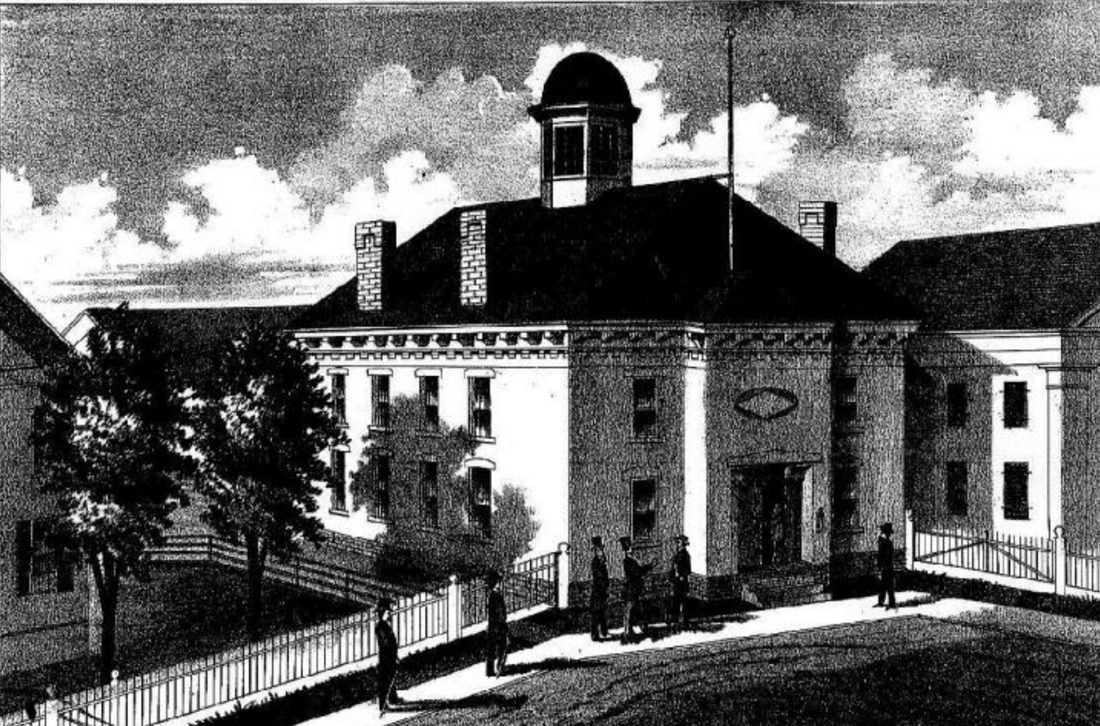
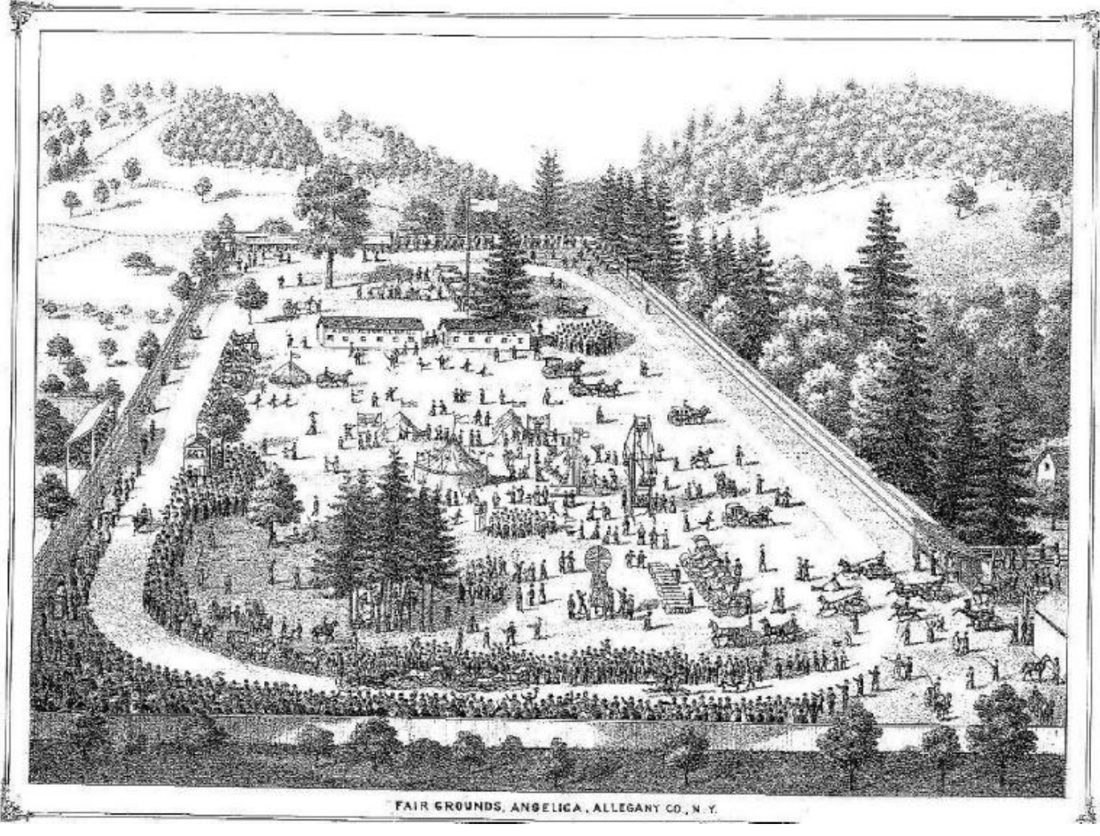
The old county courthouse is now the town hall and is on the National Register. The county fair is still held here every July.