The council house
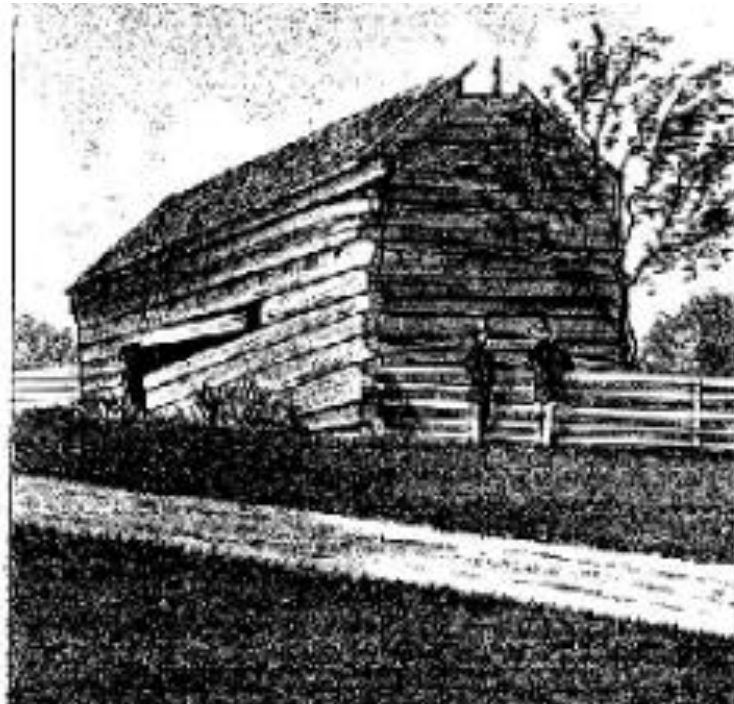
For centuries this was Seneca country. After the Revolution, a strip of the Genesee valley eight miles long and two wide became the Caneadea Reservation, with a village and council house on a bluff above the river. Tradition says Moses Van Campen was made to run the gauntlet there as a captive in 1782. The Seneca sold the land in 1826. The council house was later moved to what is now Letchworth State Park.
Floods, canal and a college
Child lists Genesee floods in October 1817 and on Oct. 20, 1835. Starting in 1851 the Genesee Valley Canal brought business, especially to Oramel. The town was also on a route of the Underground Railroad. Houghton, now home to Houghton University, is in town. Crawford Creek is named for the man reputed to be its first settler.
From the 1879 county history
Read the page-cited Caneadea chapter selection →
- Caneadea was formed from Angelica on March 11, 1808. Friendship was set off on March 24, 1815, Rushford on March 8, 1816, and Belfast (as Orrinsburgh) on March 24, 1824.
- The upper, or old, Caneadea Indian village stood on the east side of the Genesee on what was later the Joel Seaton farm. The book says it had a council house and twenty or more dwellings, and that an old Indian orchard still marked the spot in 1879.
- In April 1782 the frontiersman Moses Van Campen and other captives were taken to Caneadea on the way to Niagara and made to run the gauntlet there. The book takes this account from The Life and Adventures of Moses Van Campen.
“The village consisted of the celebrated council-house and twenty or more dwellings; an old Indian orchard still marks the locality.”
Then & now
Houghton University is on Route 19. Oramel's post office closed in 1968.